







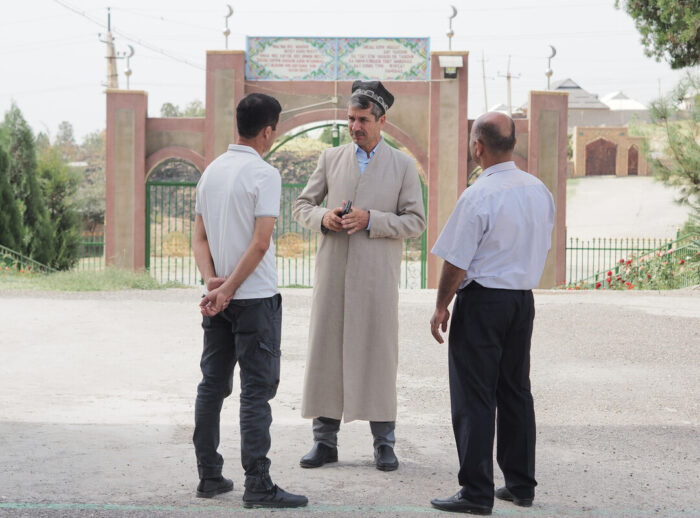
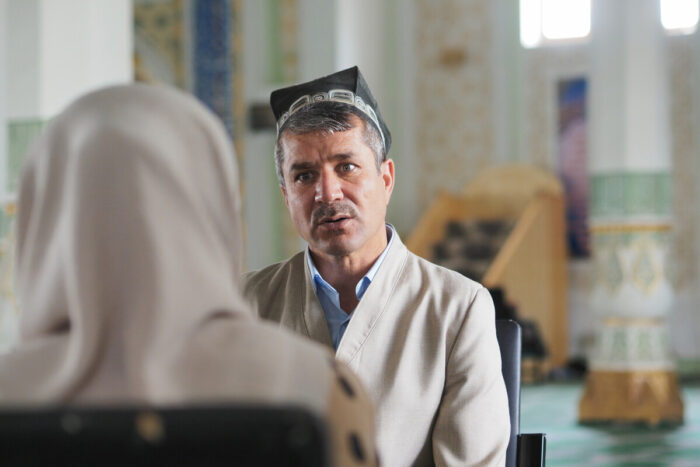
Every Friday, more than 5,000 people gather and pray at Imam Azam Central Mosque in Hisor City, Tajikistan. Sharifzoda Azalshoh Bahrom, who has been the congregation’s senior imam since 2010, gives the “khutbah” (sermon) and leads the prayers.
In addition to providing spiritual guidance, Imam Azalshoh dedicates time each week to highlight a topic affecting the community: tuberculosis (TB). In his impassioned talks, he discusses preventing and treating TB, challenging the stigma faced by people living with TB, and supporting those undergoing treatment.
Tajikistan is on the World Health Organization’s 2024 list of the 30 high-burden TB countries. The country struggles specifically with multidrug-resistant TB, or TB that does not respond to the two most effective first-line antibiotics used to treat it. This means that treatments that are expensive, time-consuming and difficult to take are necessary for many people living with TB in the country.
Imam Azalshoh is aware of how serious TB is in his country and community, but his journey to becoming an advocate for TB awareness was not without challenges, as societal misconceptions around the disease often result in fear.
“For many years I had a negative attitude toward TB,” he admits. “When I was in school, I was afraid of people with TB. We always had a negative perception … that this is the most terrible infectious disease, and we can’t even get close to talk to them.”

Imam Azalshoh, who is pursuing a PhD in history, changed his perspective after he participated in trainings organized by the USAID End TB Tajikistan Activity. Funded by USAID and led by FHI 360, the activity trains religious leaders on a method called the “results-based sponsorship model.”
In Tajikistan, imams are trusted and influential community leaders. The results-based sponsorship model engages them in supporting, advocating for, and mobilizing community support for people on treatment for TB.
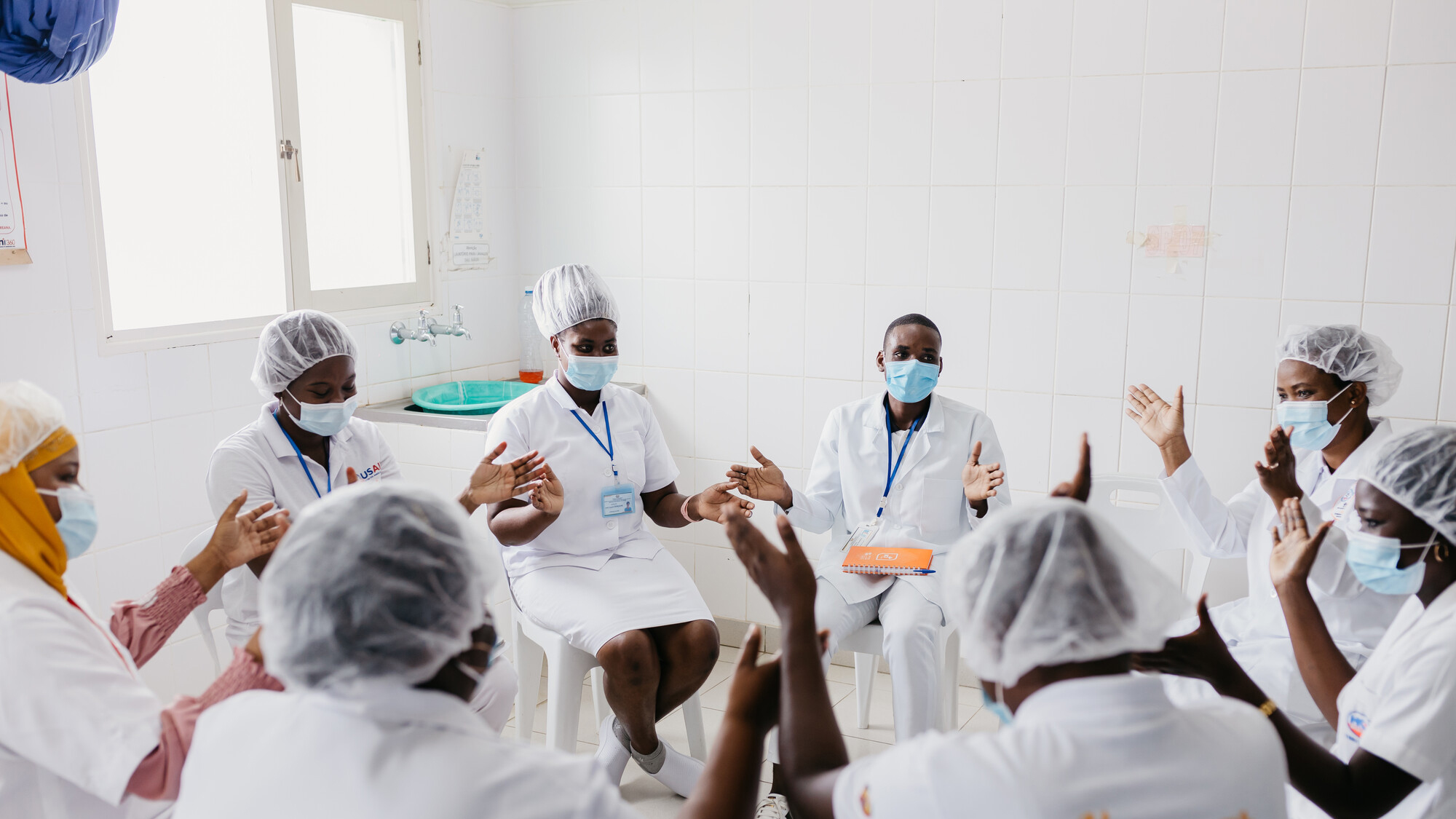
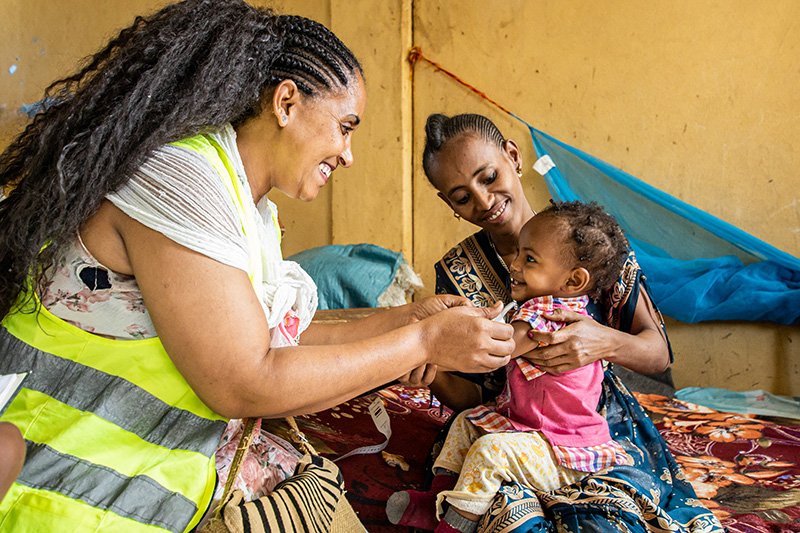
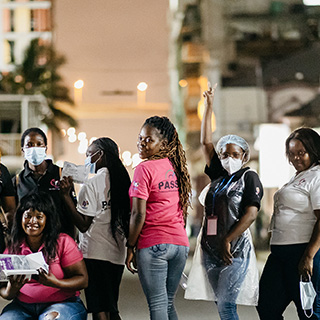
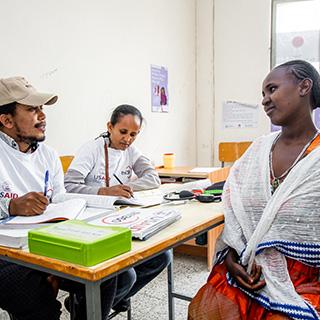
As of December 2024, 93 imams and 1,200 community health and outreach workers from local civil society organizations have been trained on the model. They, like Imam Azalshoh, are now equipped with knowledge, tools and skills to support eliminating TB in Tajikistan.
“After participating in this training, the first thing I did was get acquainted with the list of people with TB in my village,” says Imam Azalshoh. “I went to each of them in their homes to find out about their living conditions. And now I can confidently say who needs what and how they feel.”
Now, Imam Azalshoh emphasizes the importance of helping people affected by illness, aligning his teachings with the values of Islam. “I read a lot of khutbas about the importance of helping the sick,” he explains.
His commitment to helping the sick extends beyond words. Imam Azalshoh became the first of the project’s 82 trained religious leaders to sign a contract with a TB patient, ensuring material support.
The contract includes a monthly stipend for food until the person completes treatment and their recovery is confirmed. Financial support comes from the Imam Azam Central Mosque charity box, funded by congregates. Additionally, Imam Azalshoh offers support with treatment adherence as well as general psychosocial support.
Imam Azalshoh’s first contract marked the beginning of a broader initiative. By December 2024, imams from all regions of Tajikistan had signed contracts with 169 people with TB. These imams had also provided social support for another 900 people affected by TB as part of a joint effort with community outreach workers.
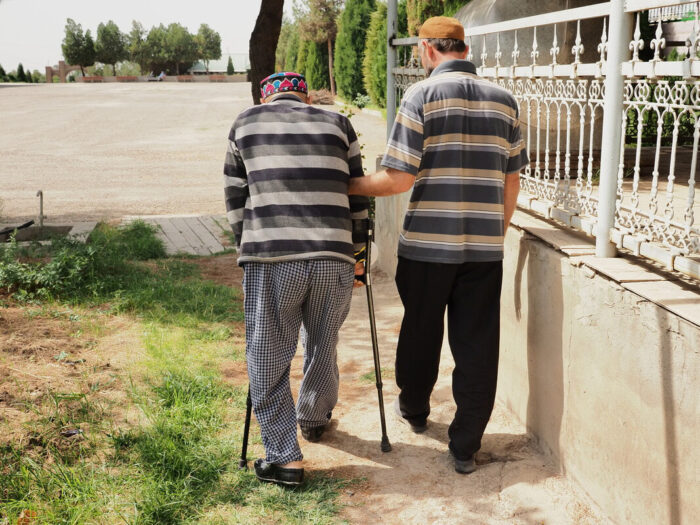
In 2025–2026, the USAID End TB Tajikistan Activity will expand its results-based sponsorship model to 24 high-burden districts across the country. The aim is to strengthen the implementation of U.S. Department of State Lifesaving Humanitarian Assistance (LHA)-funded interventions by connecting faith-based and public health initiatives, and by leveraging the transformative power of education and advocacy to support people living with TB in leading full, healthy lives.
After hearing Imam Azalshoh’s messages at Friday prayers, an increasing number of congregates have expressed a desire to help, expanding the project’s influence and ensuring lasting change.
“We should never leave a sick person on their own,” Imam Azalshoh says. “I always tell people during my khutbas to think about how much contribution they will bring to their society.”

All photos are credited to Nozim Qalandarov for FHI 360, End TB Tajikistan Activity
About the USAID End TB Tajikistan Activity
The USAID End TB Tajikistan Activity, led by FHI 360, is a five-year activity committed to advancing data-informed solutions to eradicate TB in Tajikistan.
The activity developed the results-based sponsorship model in collaboration with the government of Tajikistan’s Committee on Religion, Regulation of Traditions, Celebrations, and Ceremonies; the National TB Program; and Stop TB Partnership Tajikistan.
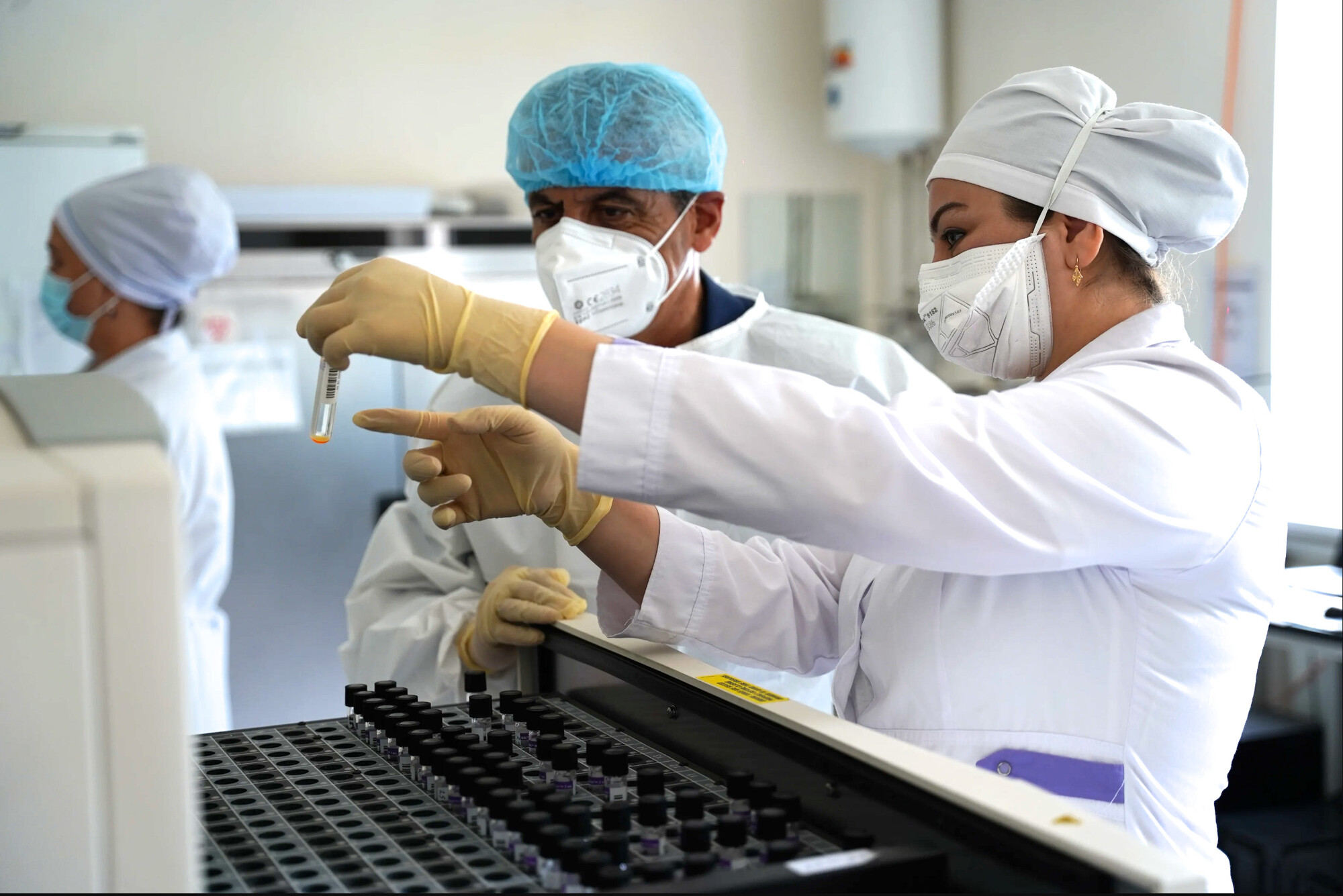
The activity uses a locally led, people- and community-centered care model to detect TB early, improve treatment access and care, and break the cycle of transmission. The project also uses digital technology and strategic innovations to support the government of Tajikistan’s goal to decrease the TB burden by 2025.