
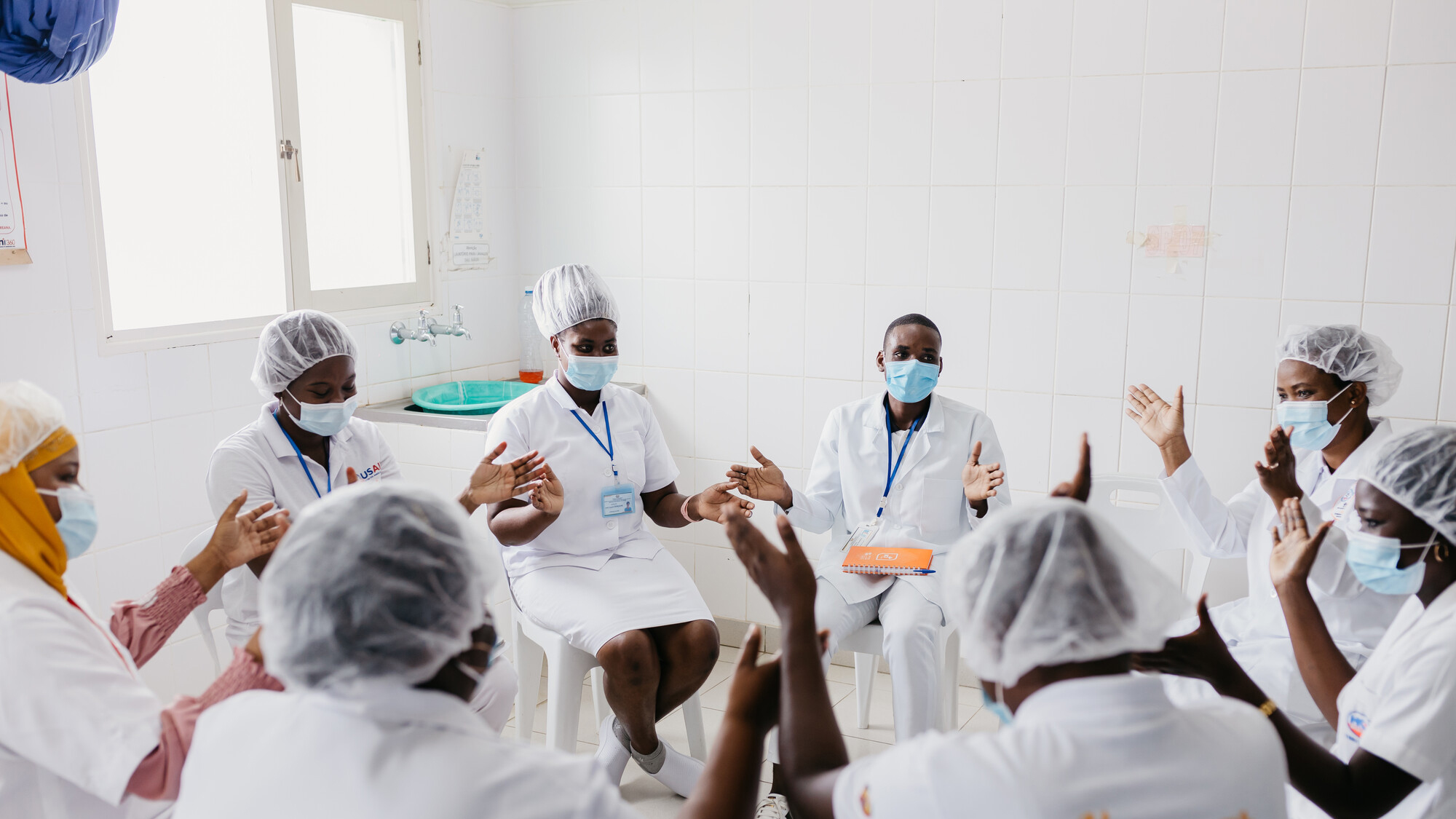
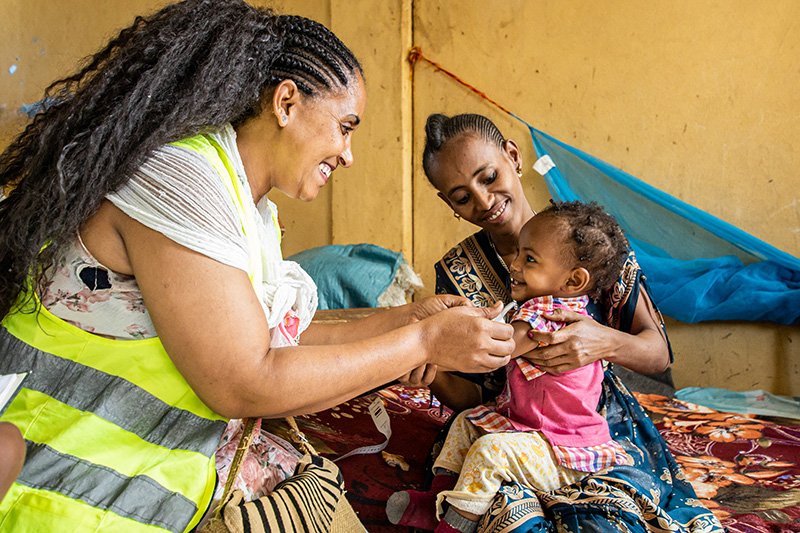

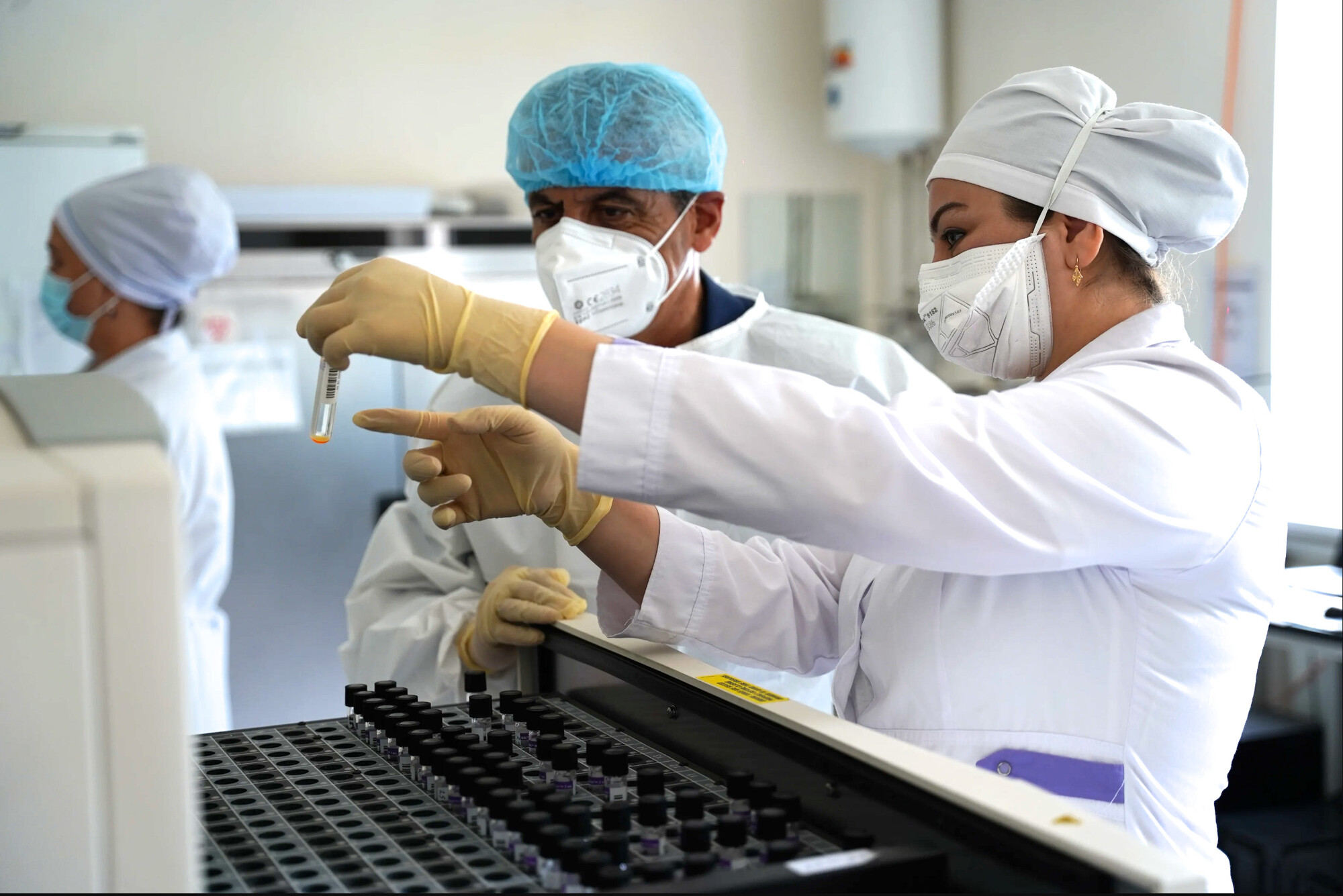
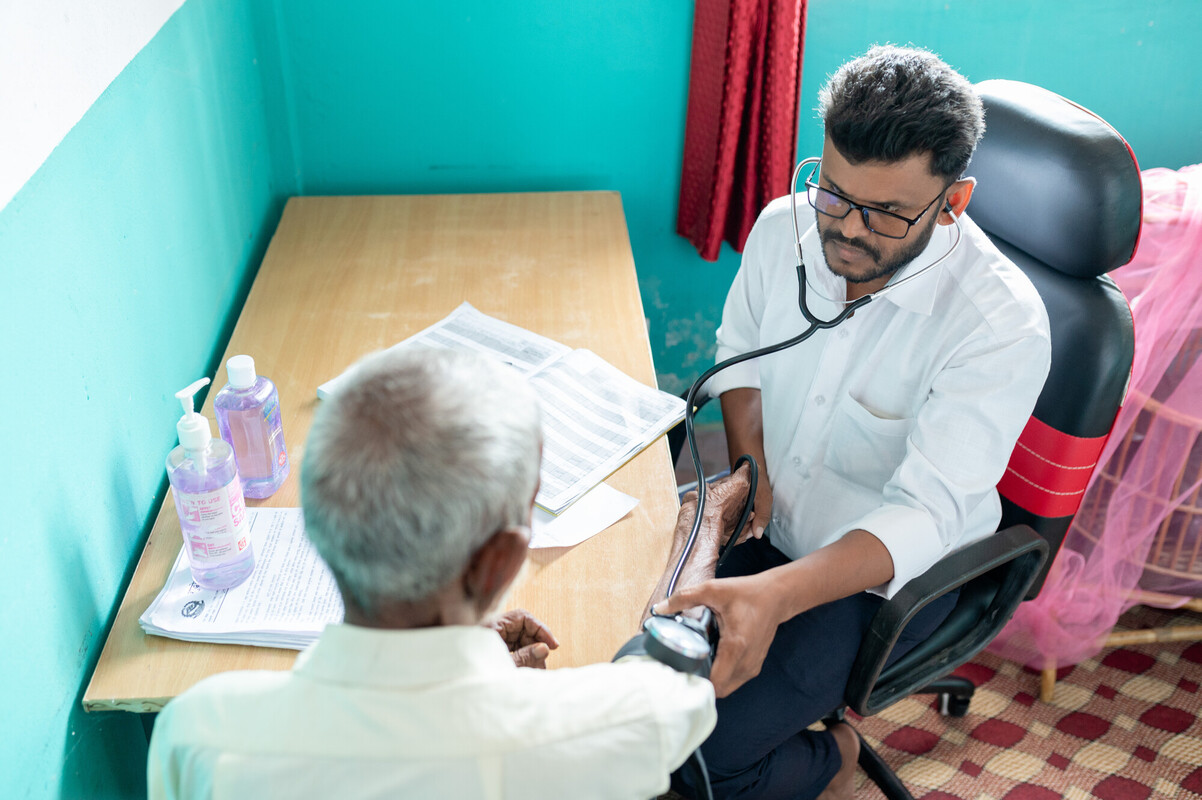




Janet Robinson, Portfolio Director of FHI 360’s Infectious Disease and Global Health Security division, speaks about infectious disease outbreaks and the future state of global health security.
What is global health security?
There are three primary objectives of global health security: (1) We want to prevent an infectious disease outbreak; (2) if it happens, we want to detect it early; and (3) when we detect it, we want to rapidly respond. And then, we need to learn and be better prepared to prevent the next outbreak.
We work to fortify our systems—to proactively look for potential outbreaks (called surveillance), to improve the ability of laboratories everywhere to diagnose diseases and to ensure that rapid reporting systems alert health authorities so when an outbreak occurs, we can respond quickly and effectively.
The world will always face the emergence and reemergence of new and existing pathogens. At FHI 360, we view our investment in global health security as critical to the health and well-being of communities, countries and the planet.
How do global health experts prevent the emergence of outbreaks before they start?
Early detection of emerging infectious diseases is paramount to ensuring rapid control. Up until the 1990s, health systems relied solely on what we call passive surveillance – that is, measures that can observe an outbreak after people start to get sick. For example, 10 patients visit a doctor with similar respiratory systems, leading the doctor to wonder if there is a new outbreak of influenza and then report it to health authorities.
Active surveillance proactively looks for potential outbreaks before they happen or become severe. It has greater capabilities to protect us from future outbreaks as emerging infectious diseases are discovered in real time, allowing the quick development of control measures and their deployment with limited delays.
It seems like there are more disease threats than ever. As we see more outbreaks of pathogens like mpox, Ebola and Marburg, what should we do to be ready for epidemics going forward?
When there is an outbreak, the global community responds to the immediate crisis. But once it is contained, the ability to manage outbreaks is often not sustained. When dealing with an acute crisis, the global community needs to make a greater effort to support building sustainable capabilities that will offer support in the future.
Ideally, countries should lead their own reporting of communicable diseases and share data, especially with neighboring countries. Then they will be able to work together with their country neighbors to respond to outbreaks, which do not respect national borders. Openly and transparently sharing outbreak-related data allows for measures that help combat the next outbreak to be developed, such as new vaccines and diagnostic tests.
Each country has different needs because they have different challenges. We have demonstrated that if you give countries resources and knowledge by working with them locally, they are better prepared for the next outbreak.
Could you provide an example of a project in which FHI 360 worked to build a country’s local capacity for handling infectious disease outbreaks?
FHI 360 worked on a project in Nigeria aimed at building the national and regional responses to global health security crises. We collaborated with local entities to understand what essential areas were lacking (such as people, skills or infrastructure) and then further develop those functions.
Specifically, FHI 360 helped improve communication systems and set up an operations center that coordinated the resources needed when outbreaks occur for the West Africa region. To improve disease detection and control along Nigerian borders, we assisted with developing points-of-entry procedures and systems, and these are now used to more rapidly detect and respond to new outbreaks. This is how FHI 360 works comprehensively to ensure local entities can support their own needs.
How much do people in the U.S. need to worry about disease outbreaks spreading?
We know from expert sources that a disease can travel from a remote village to any major city within 36 hours because of how interconnected our world has become. And while that is exciting for accessibility, it is a critical risk for pathogens.
Disease outbreaks are incredibly taxing on the healthcare infrastructure, but they can be prevented. This is why it’s of critical importance to maintain health networks in countries where outbreaks are prevalent; it’s much less costly to stop a disease where it starts. With smart investments in global health security, we are all kept safe, and we all benefit.